Exploring the Future: Latest Global Trends in GRP Sectional Water Tanks (2026)
2/18/20265 min read
The Rise of GRP Sectional Water Tanks in Global Markets
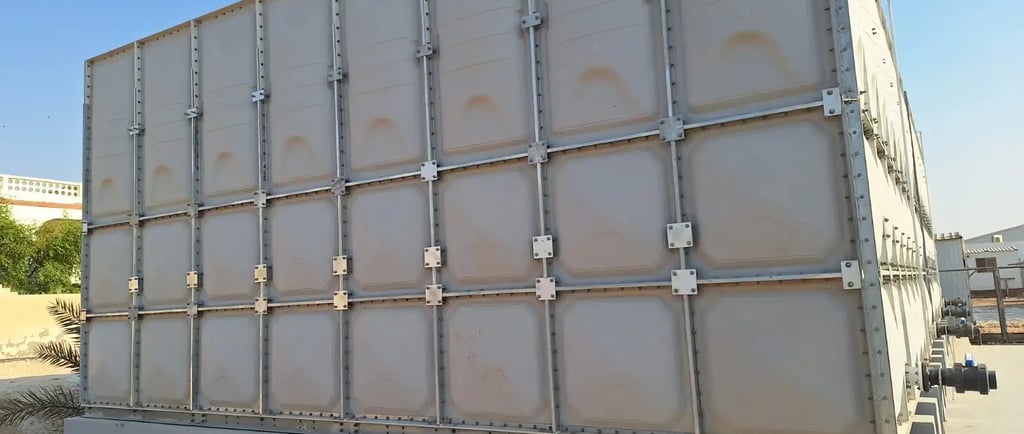
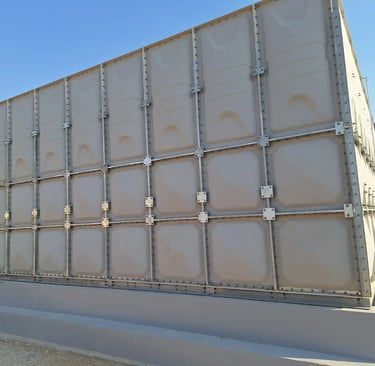
In recent years, the adoption of Glass Reinforced Plastic (GRP) sectional water tanks has surged across various global markets. This increasing popularity can be attributed to several pivotal factors that resonate with contemporary infrastructural demands and environmental concerns.
Urbanization is one of the central trends driving the demand for GRP sectional water tanks. As cities experience rapid growth, there is a pressing need for efficient water storage solutions that can accommodate increasing populations. Traditional methods of water storage, such as concrete and steel tanks, often fall short in flexibility, installation speed, and resistance to corrosion. GRP tanks, known for their lightweight and modular design, provide an optimal solution for urban settings, allowing for easy assembly and transportation.
Sustainable water management practices are also influencing the shift towards GRP sectional water tanks. As governments and organizations prioritize environmentally friendly solutions, the advantages of GRP — such as longevity, minimal maintenance, and lower carbon footprints compared to traditional materials — become increasingly appealing. These tanks are also resistant to a range of environmental factors, further enhancing their viability for long-term water storage needs.
The global market for GRP sectional water tanks is experiencing notable growth, supported by statistics indicating a compound annual growth rate (CAGR) that underscores their rising relevance in various regions. Key players in the industry are striving to innovate and expand their offerings to meet burgeoning demands. Emerging markets, particularly in regions facing water scarcity or infrastructural deficiencies, are leading the charge in the adoption of these modern tanks.
Overall, the drive towards adopting GRP sectional water tanks is multifaceted, influenced by urbanization trends, sustainability imperatives, and a growing recognition of the limitations associated with conventional water storage methods. The next few years promise continued growth and investment in this sector, positioning GRP as a pivotal element of future water management solutions.
Innovations in Technology and Materials
The landscape of GRP sectional water tanks is undergoing a significant transformation due to innovative technologies and advanced materials. The introduction of advanced composite materials plays a crucial role in improving both the efficiency and longevity of these tanks. By utilizing reinforced polymers and glass fiber structures, manufacturers are not only enhancing the mechanical strength of the tanks but also minimizing their weight and reducing maintenance needs. This development is vital, as it enables easier installation and a more flexible application in various environments.
Furthermore, the emergence of smart tank technology has revolutionized the way water storage systems are monitored and managed. Integrating IoT devices allows for real-time data collection on water levels, temperature, and quality. This information aids in efficient resource management, reducing water wastage and ensuring optimal performance. Efficient monitoring helps in identifying leaks or other issues before they escalate, thereby improving maintenance routines and extending the lifespan of the tanks.
Production techniques are also advancing rapidly, with a focus on automation and precision. The use of computer-aided manufacturing and 3D printing technologies is leading to more consistent product quality, reduced production costs, and faster turnaround times. These innovations not only optimize the manufacturing process but significantly lower the environmental impact associated with traditional production methods.
Overall, the implications of these innovations in technology and materials are profound. Improved GRP sectional water tanks are not only more durable and cost-efficient but also pose a lesser ecological footprint, aligning with contemporary sustainability goals. As the industry evolves, these advancements will play a pivotal role in developing future water management solutions, making them essential in nurturing tomorrow's water systems.
Sustainability and Hygiene in Water Storage Solutions
In recent years, sustainability has emerged as a paramount concern in the design and utility of water storage solutions, particularly regarding GRP (Glass Reinforced Plastic) sectional water tanks. These tanks not only fulfill the fundamental requirement of water storage but also align with environmental regulations aimed at preserving water quality and promoting hygiene. Manufacturers are increasingly adopting practices that ensure their products meet various sustainability criteria, making them a preferred choice in eco-conscious markets.
One of the core considerations in the design of GRP tanks is adherence to regulatory standards that govern water storage hygiene. These regulations often include specifications on materials that come into contact with water, ensuring that they do not leach harmful substances. Certifications such as those from the Water Quality Association and the International Organization for Standardization bolster consumer confidence in the safety of GRP products. Therefore, manufacturers are focusing on integrating these prominently recognized certifications into their production processes, ensuring that the end product is safe and reliable.
The environmental implications of using GRP materials are significant. GRP is known for its durability and resistance to corrosion, which extends the lifespan of water tanks and reduces the need for frequent replacements—an important factor in minimizing waste. Additionally, the lightweight nature of GRP allows for easier transport and installation, further contributing to decreased carbon footprints associated with manufacturing and distribution. As environmental awareness among consumers continues to grow, there is a marked preference for water storage solutions that minimize ecological impact.
In response to these changing market dynamics, manufacturers are not only embracing eco-friendly materials but also innovating in their design to promote sustainability. This evolution points to a future where hygiene and sustainability coexist seamlessly in the design of GRP sectional water tanks, reflecting the needs and preferences of modern consumers.
Future Challenges and Opportunities in the GRP Tank Industry
The Global Reinforced Plastic (GRP) sectional water tank industry is poised for significant evolution by 2026, yet it faces noteworthy challenges. One major hurdle is the increasing competition from alternative materials, such as stainless steel and polyethylene, which offer various advantages, including cost-effectiveness and improved durability. As manufacturers innovate, the need for GRP tanks to adapt and provide unique benefits becomes imperative. Competitive pricing and enhanced features will be essential for GRP tanks to maintain their market share.
Moreover, supply chain disruptions, exacerbated by global events, have wreaked havoc on material availability and manufacturing timelines. Such interruptions impact not only production but also pricing strategies, ultimately affecting profitability across the sector. Companies must invest in robust supply chain management strategies and consider diversification in sourcing materials to mitigate these risks and ensure consistent product availability.
Regulatory hurdles also present significant challenges for the GRP sectional water tank market. As environmental concerns heighten, compliance with stringent regulations regarding manufacturing practices and sustainable materials will become critical. The industry must proactively adapt to these regulations by enhancing their environmental standards and pursuing eco-friendly innovations.
Despite these challenges, significant opportunities abound in the GRP tank market. The integration of emerging technologies, such as smart monitoring systems and advanced materials, can lead to more efficient product offerings. Businesses can harness these innovations to enhance the performance of GRP tanks, providing customers with added value. Furthermore, expanding market presence through strategic partnerships, enhanced marketing efforts, and targeted outreach can facilitate growth. By aligning their product development with evolving customer needs—such as increased demand for customizable solutions and smart features—companies can not only survive but thrive in the competitive landscape of the GRP tank industry.